




Research & Education
Conservation Guided by Science
Effective conservation depends on knowledge.
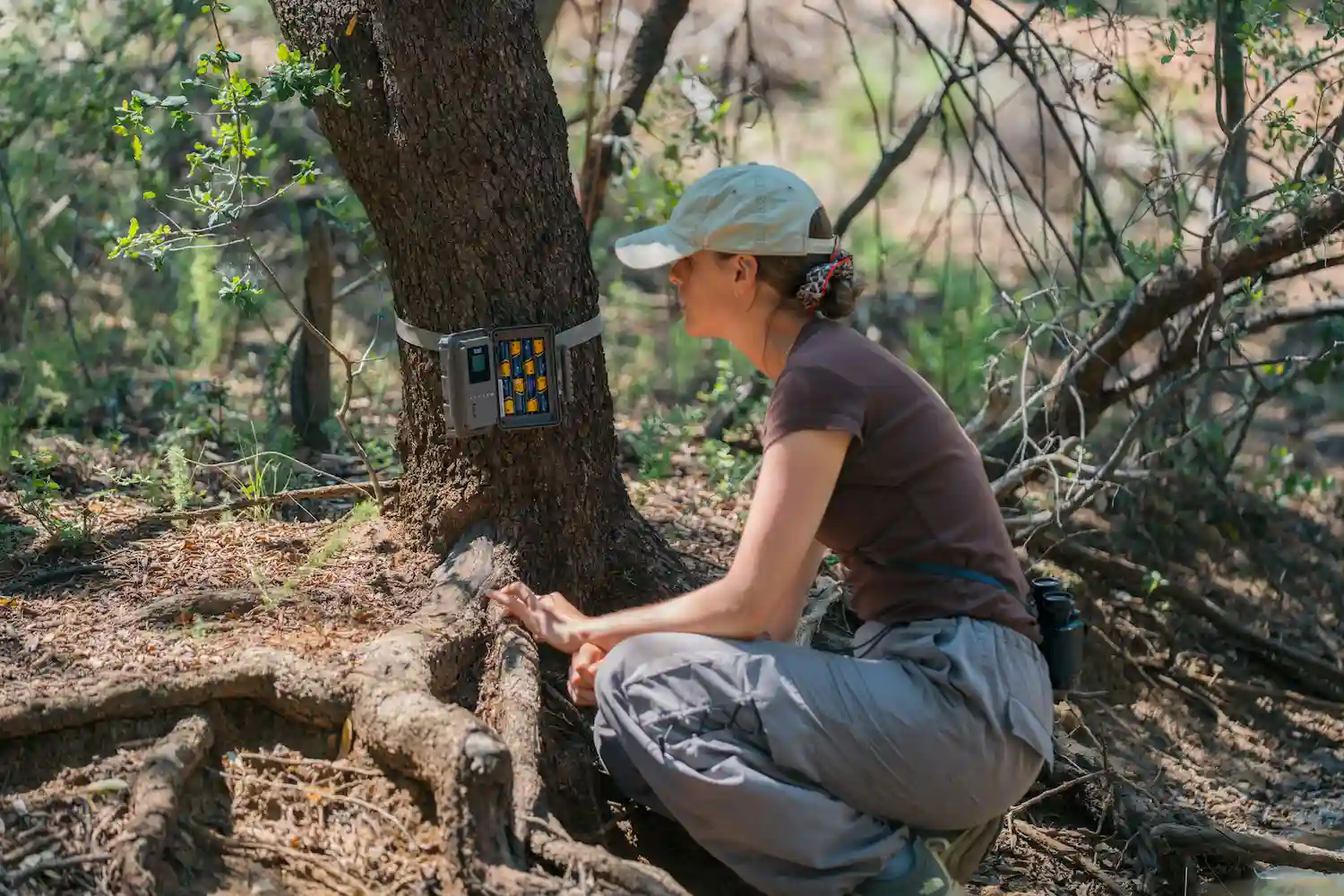
At Endangered Rhino Conservation, research and education play a central role in how conservation decisions are made. Monitoring wildlife populations, studying ecosystems and understanding environmental change all help guide the strategies used to protect rhinos and other species.
By supporting research and learning opportunities in the field, ERC helps ensure conservation efforts remain informed, adaptive and effective.
Explore Our Conservation WorkLearning from the Landscape
Where Conservation Happens
Much of ERC’s research and education activity takes place within the landscapes where conservation is happening.
Working alongside experienced conservationists, scientists and researchers, participants gain first-hand insight into how ecosystems function and how wildlife populations are monitored and protected.
These experiences help build a deeper understanding of conservation challenges and equip participants with practical skills that can be applied throughout their careers.
Discover Mankwe Wildlife Reserve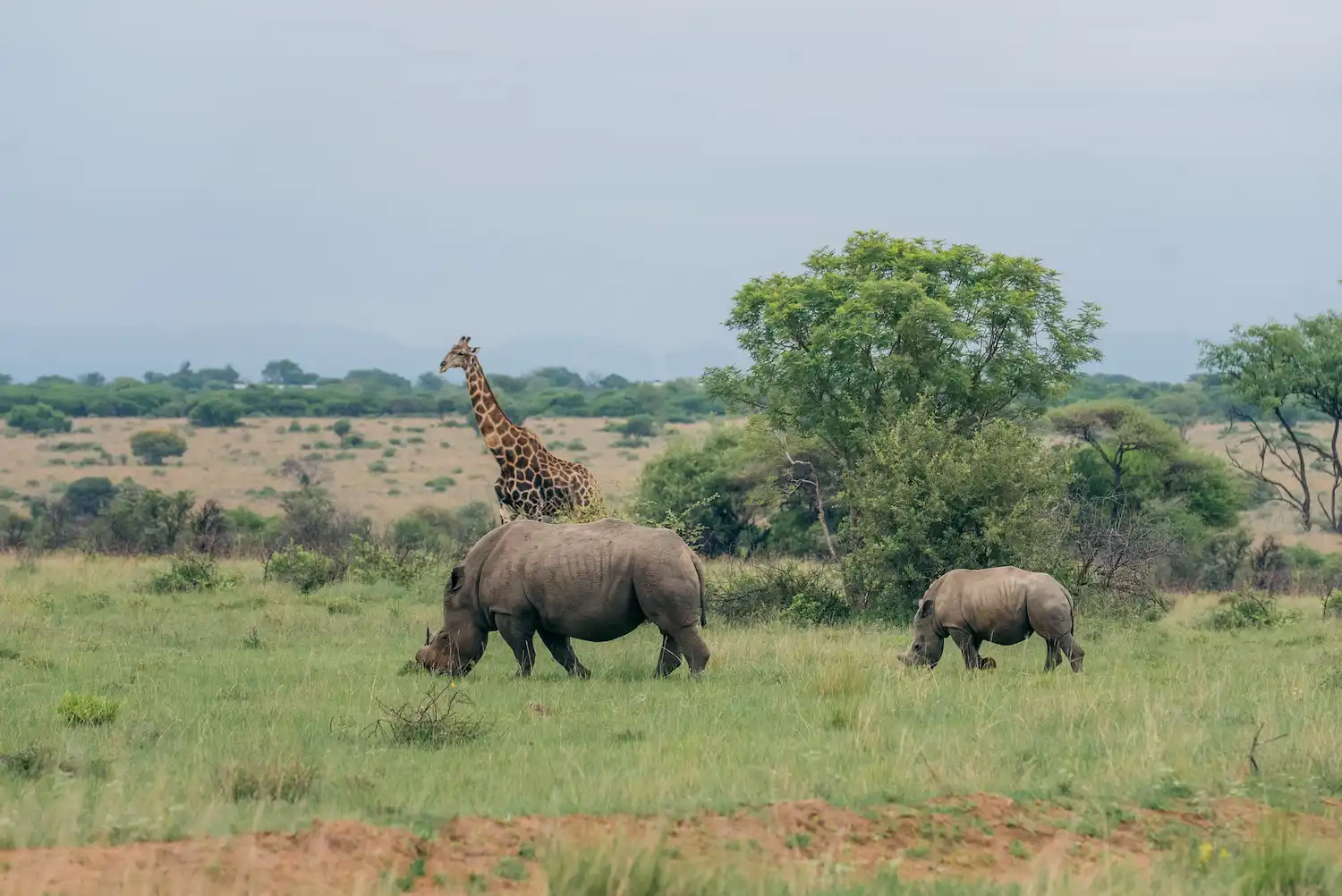
Citizen Science and Field Research
Data That Supports Real Conservation Decisions
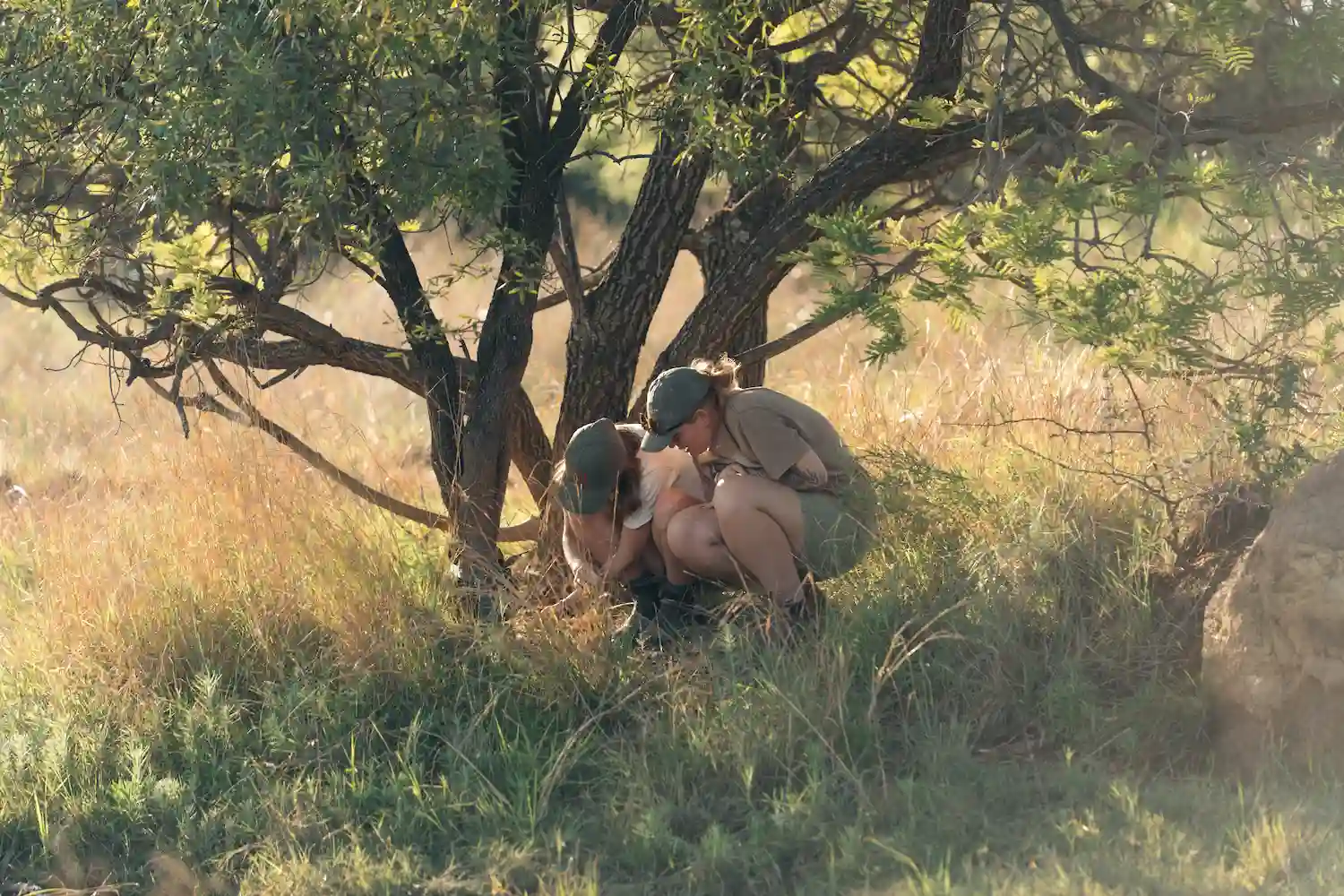
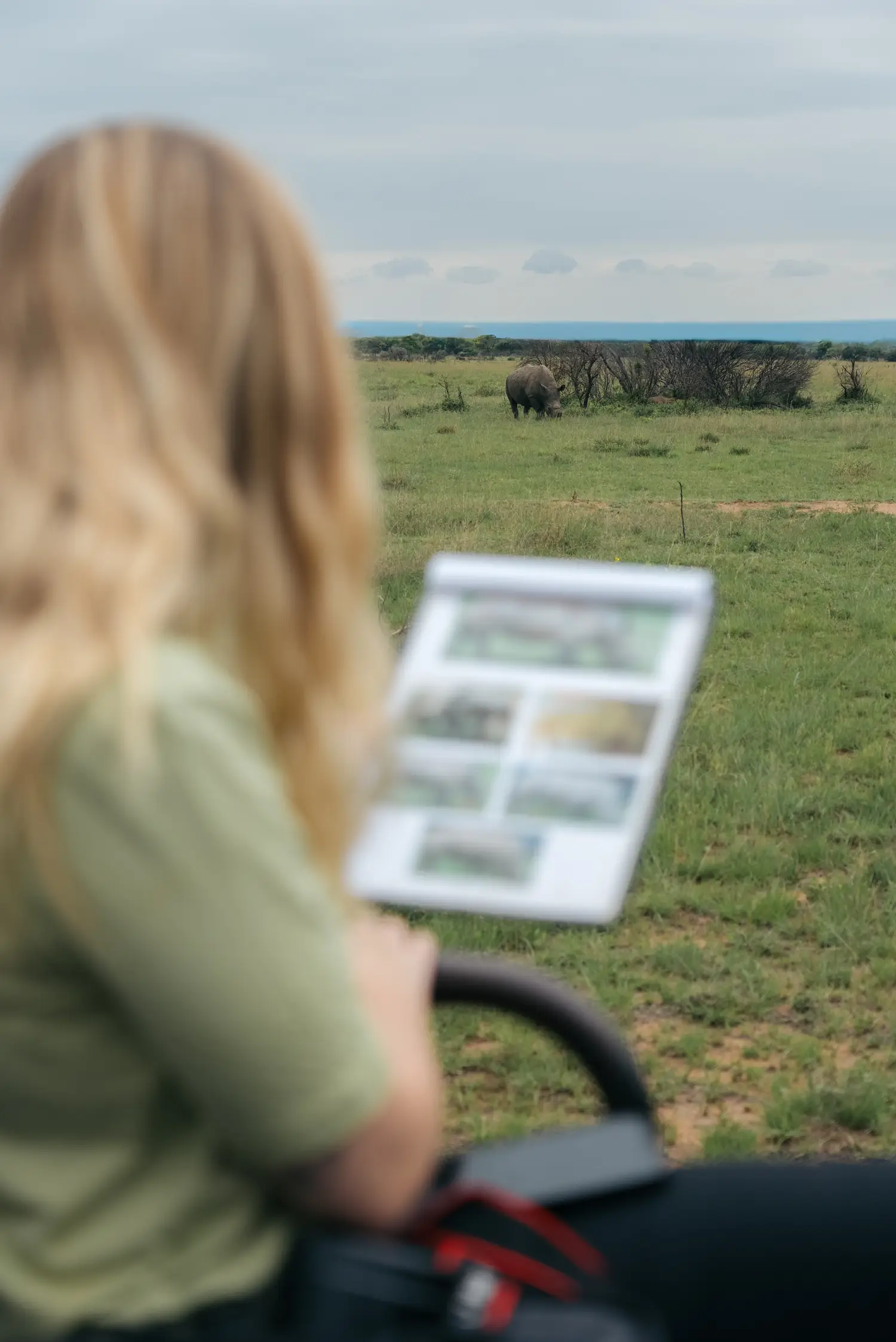
Research supported by ERC often involves a collaborative approach that brings together scientists, students and volunteers.
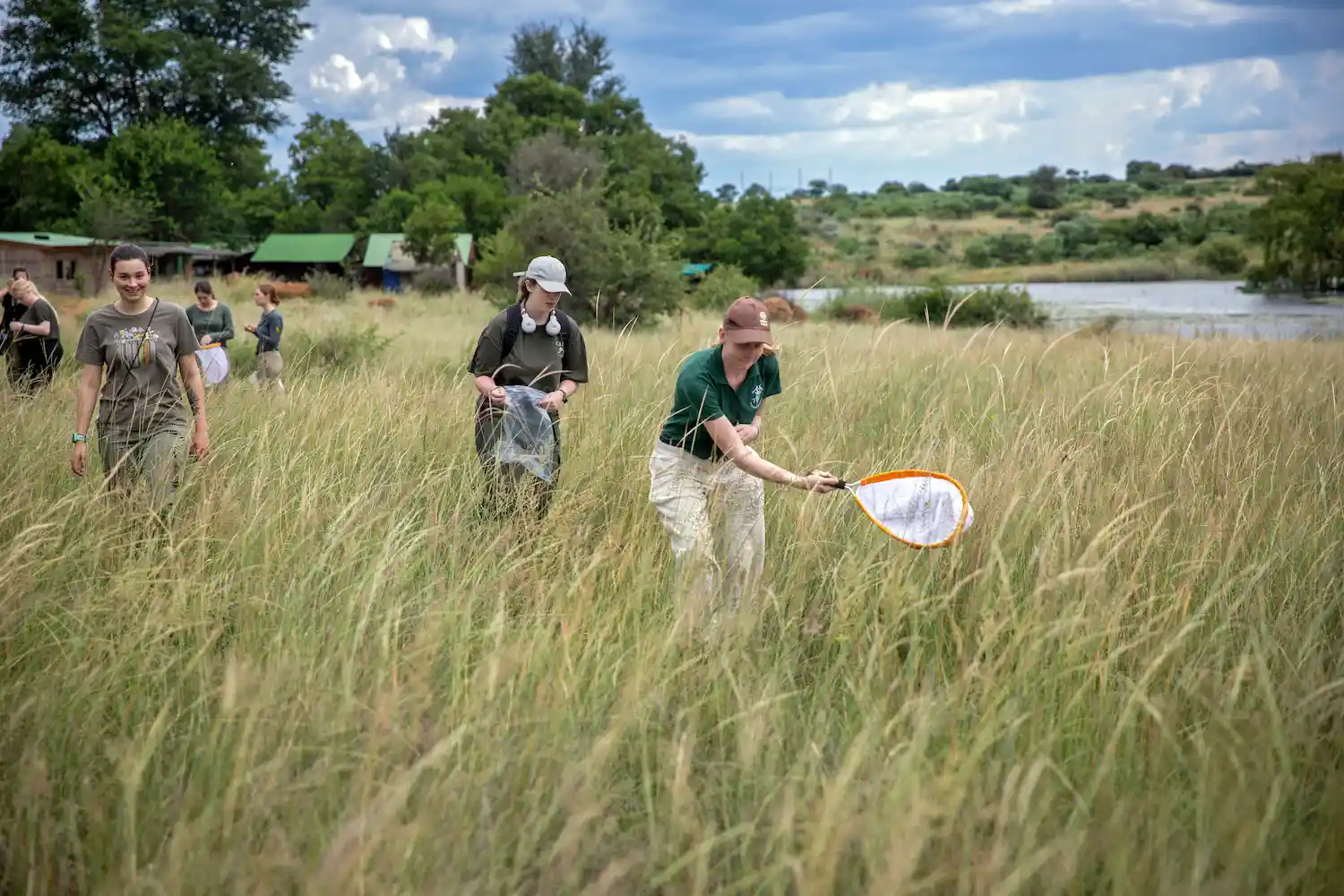
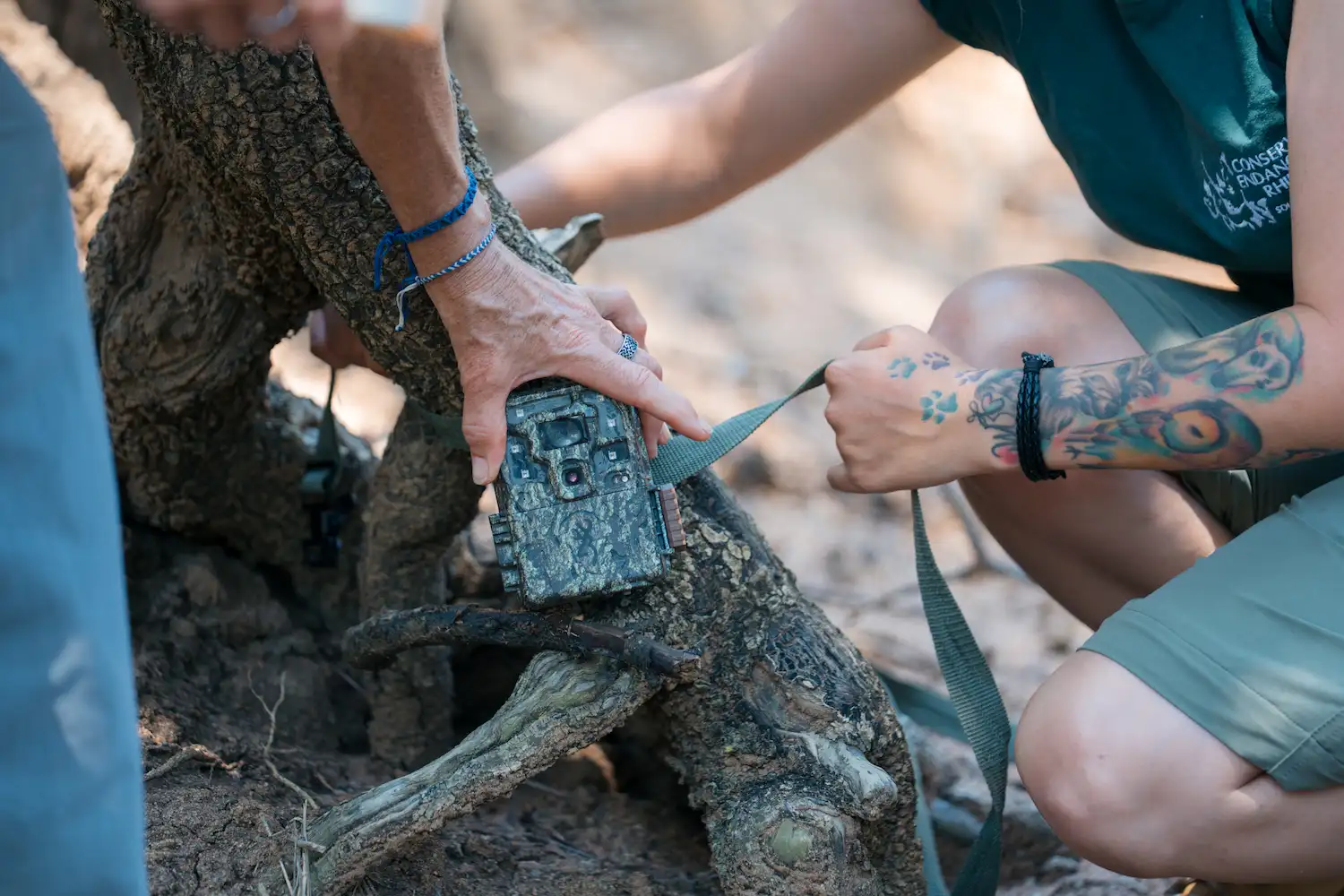
Through initiatives such as the Nkombi Volunteer Programme, participants contribute directly to scientific research by collecting data used to inform conservation management decisions.
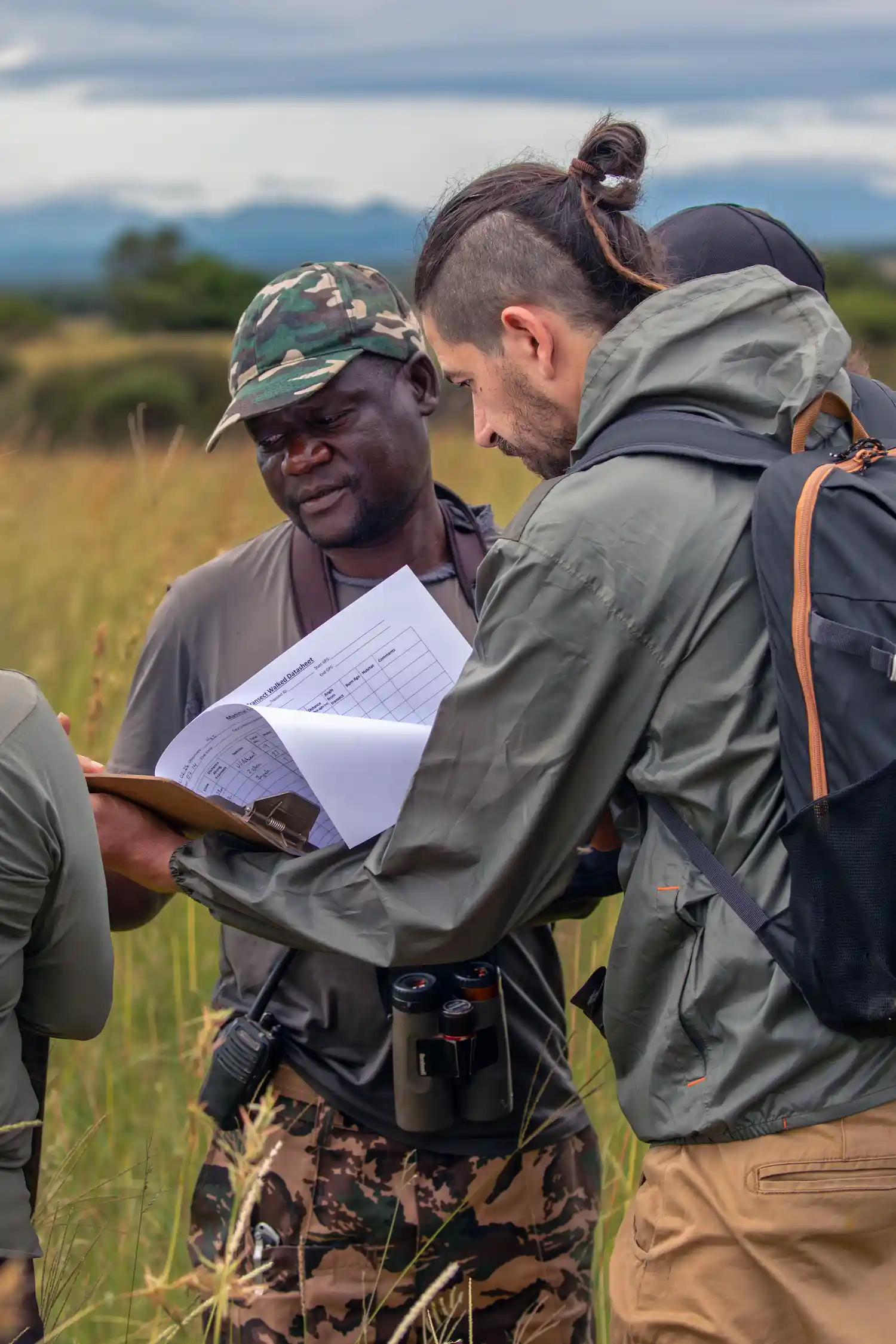
Activities can include
University Partnerships and Academic Research
Field Courses in a Real Conservation Landscape
Research at the reserve is supported through partnerships with universities and academic institutions.
The reserve regularly hosts university field courses, giving students the opportunity to conduct ecological research in a real-world conservation environment.
Researchers and students work alongside experienced conservation teams to study topics such as mammal population monitoring, grassland ecology, biodiversity surveys, wildlife behaviour and ecosystem dynamics.
These collaborations contribute to peer-reviewed publications and strengthen the scientific understanding needed to support conservation efforts.
Explore Research Opportunities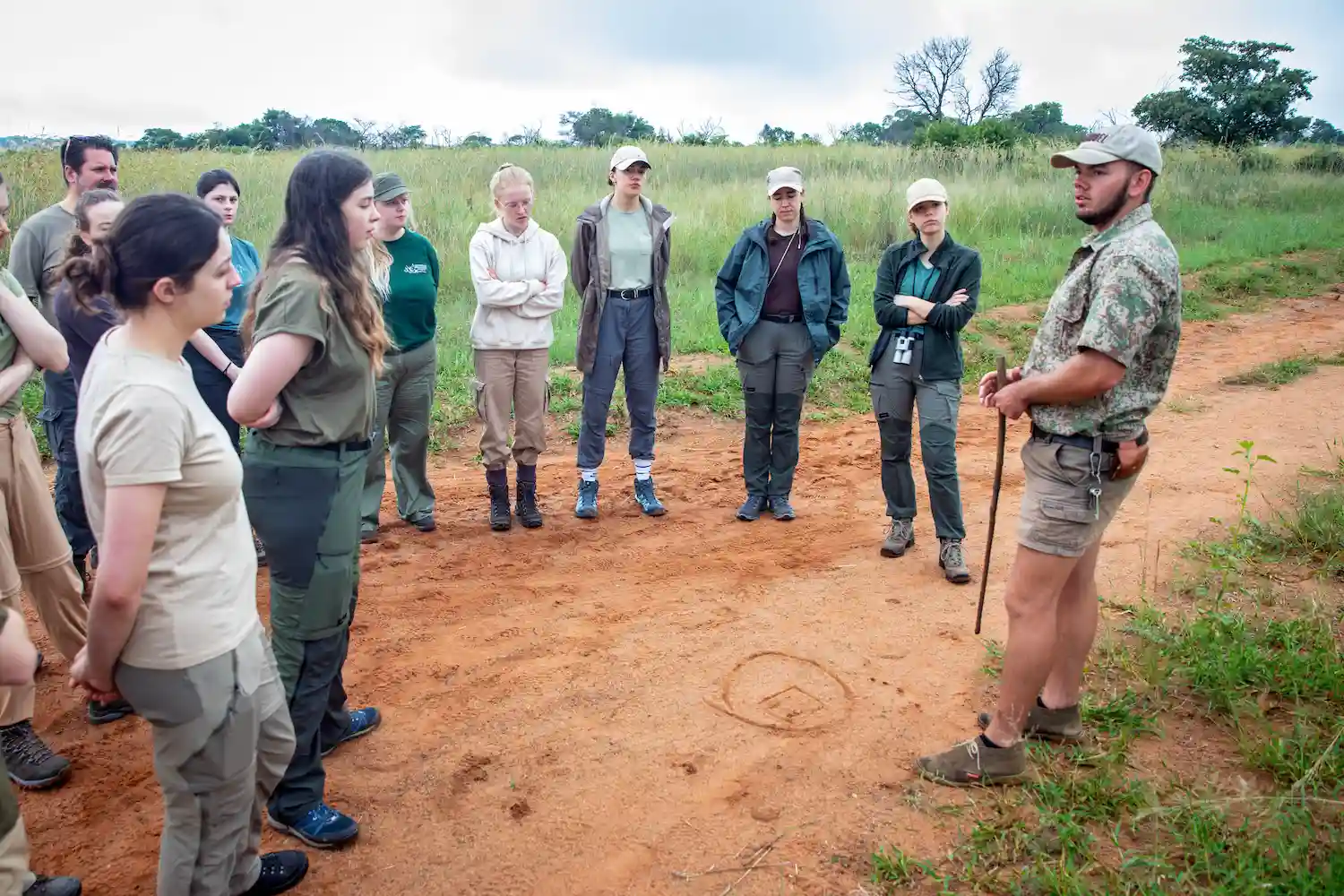
Developing the Next Generation of Conservationists
Learning That Builds Future Leaders
Education is one of the most powerful tools for protecting wildlife.
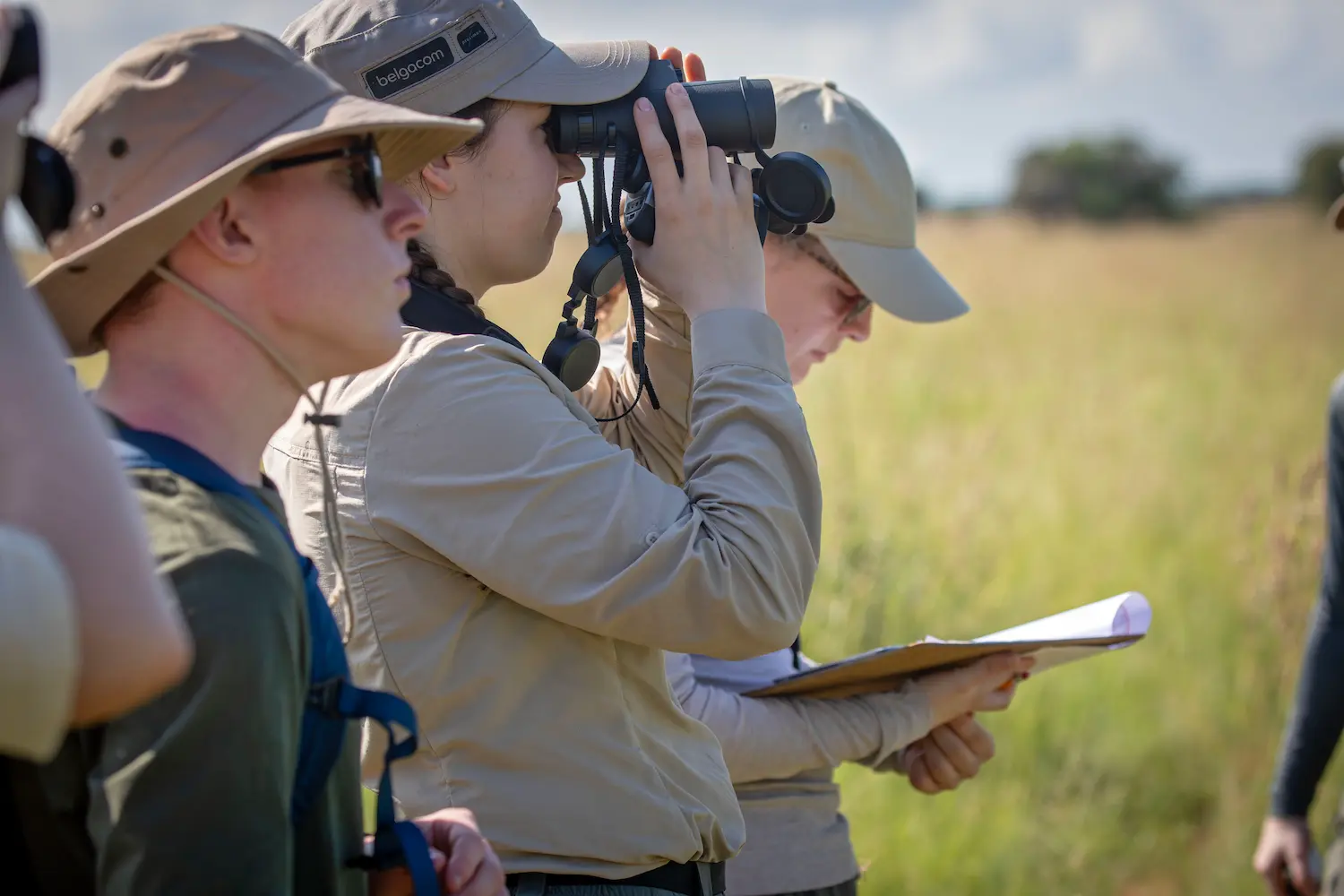
Through field-based learning, volunteer programmes and academic partnerships, ERC helps develop the next generation of conservationists, scientists and environmental leaders.
Participants gain experience not only in research but also in reserve management, wildlife monitoring, conservation fieldwork and environmental education.
Many leave with a deeper appreciation of the challenges facing wildlife and the skills needed to contribute to conservation in meaningful ways.
See How Nkombi Volunteers Learn in the FieldBuilding a Future for Conservation
Knowledge, Capacity and Long-Term Impact
Protecting wildlife requires more than responding to threats, it requires building knowledge and capacity for the future.
By supporting research and education, ERC helps ensure conservation remains informed, innovative and sustainable.
Through collaboration with scientists, volunteers, students and conservation professionals, ERC continues to strengthen the foundations needed to protect wildlife for generations to come.