




About Endangered Rhino Conservation
Our Mission:
Protecting Rhinos Where It Matters Most
Every day, rhinos face escalating threats from poaching, habitat loss and organised wildlife crime syndicates. Protecting them requires more than intention, it requires presence, expertise and action on the ground.
Endangered Rhino Conservation (ERC) exists to enable and support frontline conservation efforts where the risk to rhinos is greatest. Through protection, research, education and direct intervention, ERC supports the people and places working every day to ensure rhinos survive in the wild.
Our work is grounded in the belief that conservation must be practical, evidence-led and sustained, not reactive.
 Protection
 Research
 Education
 Direct Intervention

Ground-Led Conservation
Leadership on
The Front Line
ERC is a ground-led organisation, headed by Dr Lynne MacTavish, a conservation scientist and field leader with over two decades of experience in wildlife protection, research and education in South Africa.
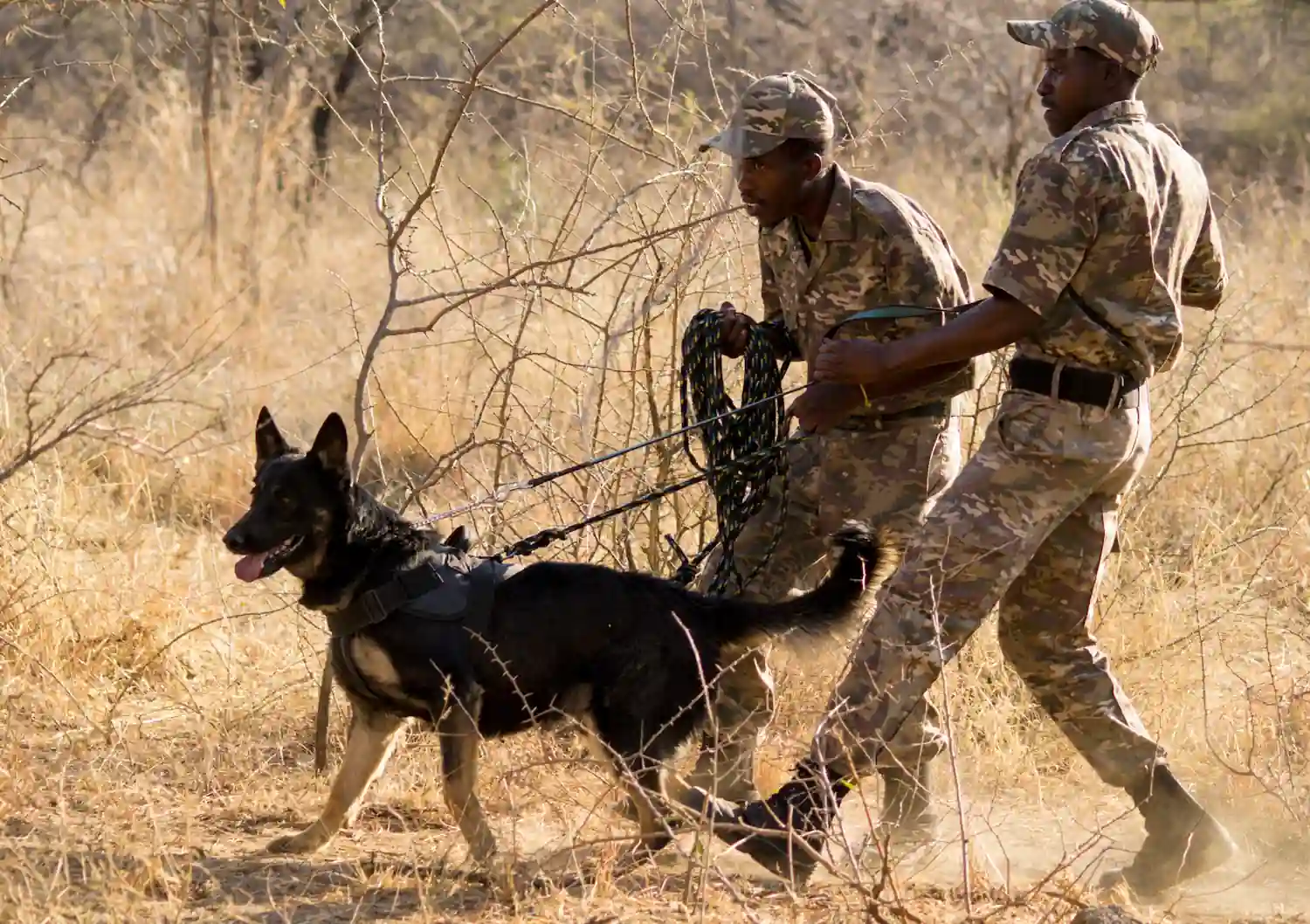
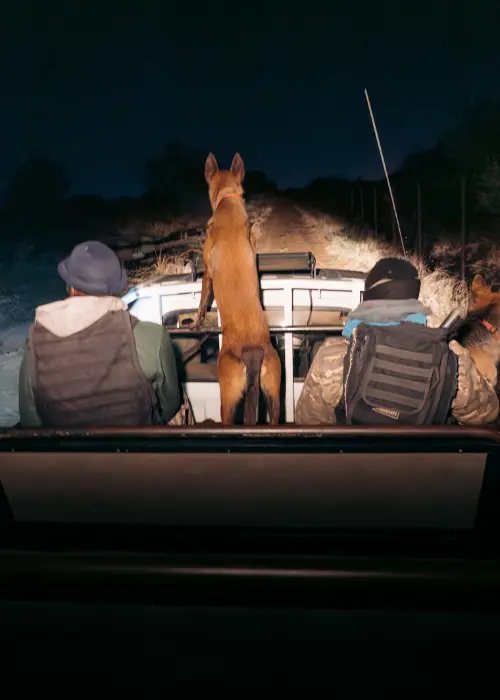
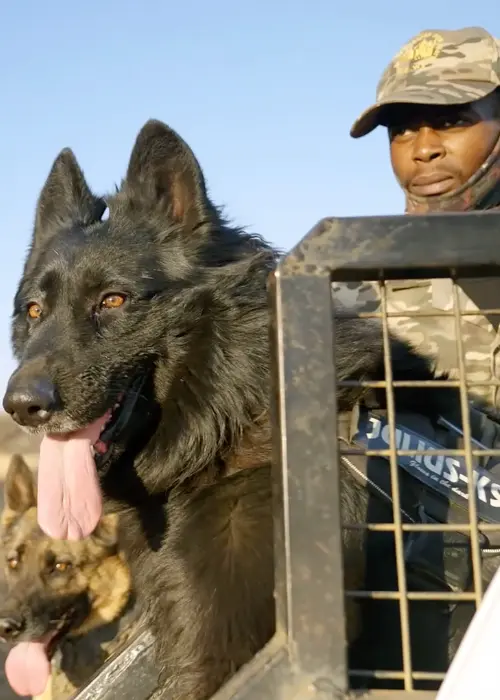
Lynne works alongside rangers, veterinarians, K9 units, conservationists and air support teams to protect rhinos under constant threat. Her leadership bridges science and frontline action, ensuring conservation decisions are informed by long-term research, lived experience and a deep understanding of the realities on the ground.
ERC exists to support and sustain this kind of leadership, ensuring frontline teams have the resources they need to continue their work.
Our Home on the Front Line
ERC Supports Conservation Work at Mankwe Wildlife Reserve
ERC supports conservation work based at Mankwe Wildlife Reserve and in partnership with other frontline initiatives, including Nkombi and trusted conservation organisations.
Once a redundant buffer zone for an industrial site, the land that became Mankwe has evolved into a multi-generational wildlife reserve protecting one of the most threatened species on the planet. Today, it is a place where conservation happens daily, through protection, research, education and collaboration.
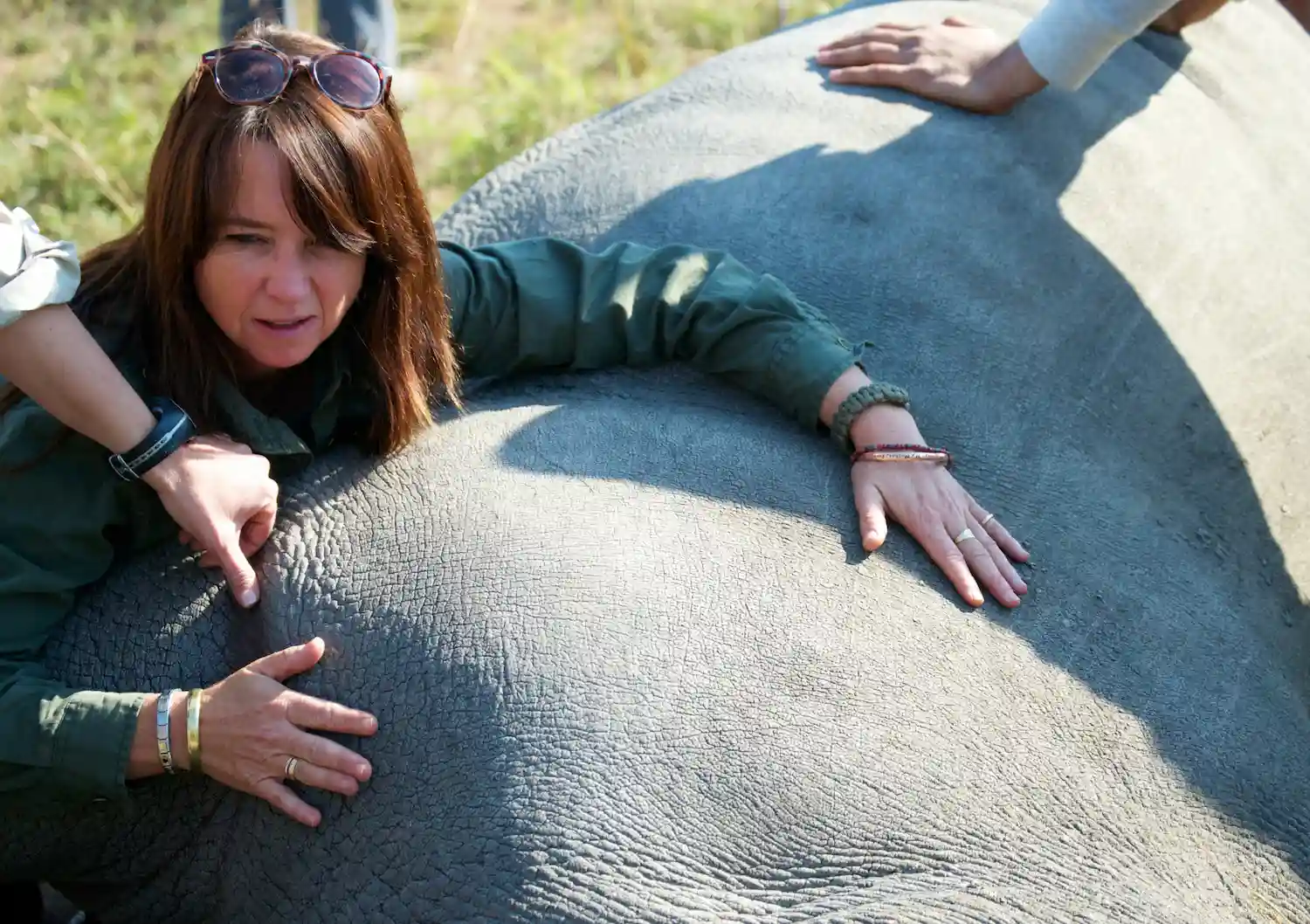
Researchers, students, guests and conservation teams interact directly with rhinos and other wildlife, gaining first-hand insight into the challenges and responsibilities of protecting endangered species.


Why We Do This
Against All Odds
ERC’s origin story is one of resilience, determination and hard-earned progress.
From surviving devastating poaching losses to navigating the isolation of the COVID-19 pandemic and the impacts of prolonged drought, the reserve and the people protecting it have faced some of the toughest challenges imaginable.
These experiences have shaped ERC’s approach: conservation must be adaptive, collaborative and relentless.
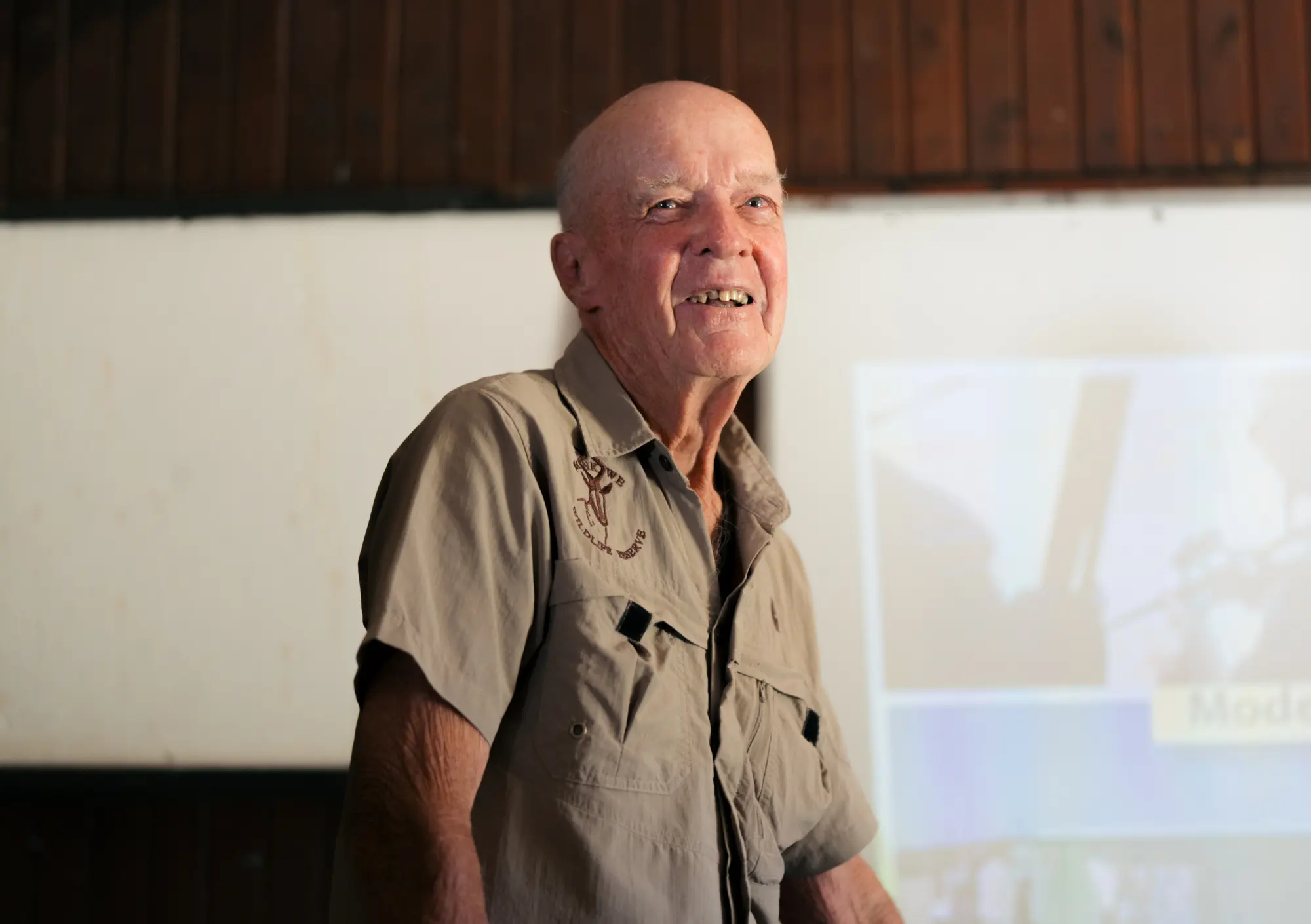
Through documentary-style storytelling and first-hand accounts, conservation leaders reflect on what it has taken — and continues to take — to protect rhinos against the odds.


How We Protect Rhinos
Conservation in Action
Protecting rhinos requires difficult decisions and practical solutions.
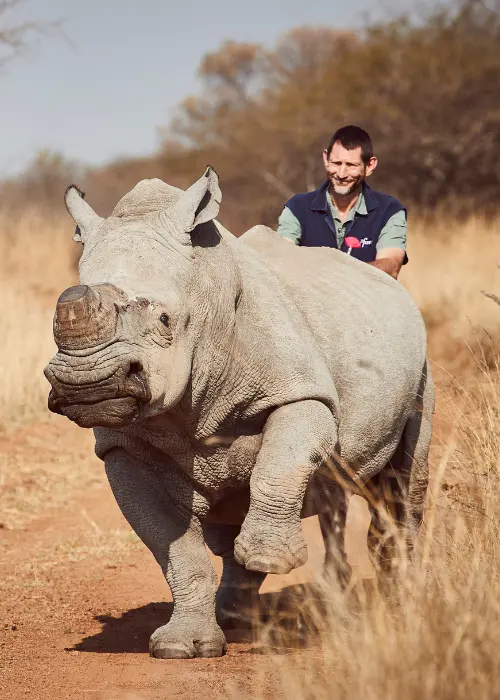
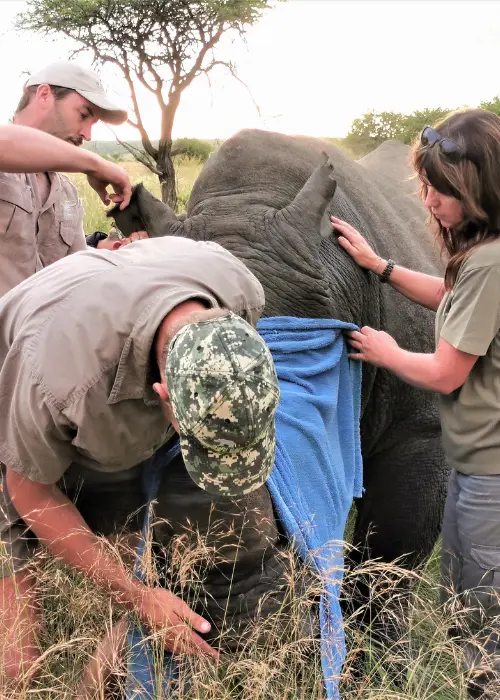
Following the loss of five rhinos to poaching in 2014, ERC and frontline teams implemented a comprehensive protection strategy, including enhanced security measures and the trimming (dehorning) of rhinos as a preventative measure.
Rhino horn is made of keratin and grows back naturally. By removing the horn, rhinos are significantly less valuable to poachers, giving them a far greater chance of survival. Trimming is carried out annually as part of a broader, holistic conservation strategy.
This work is not undertaken lightly. It is driven by evidence, necessity and an unwavering commitment to preserving a core population of rhinos in the wild.


Education, Research & The Next Generation
Inspiring Future
Conservation Action
Conservation cannot succeed without education and understanding.
ERC works to inspire students, researchers and guests by demonstrating the complexity, beauty and interdependence of wildlife and ecosystems. Through research projects, field experience and education programmes, participants leave with a deeper appreciation of conservation, and their role within it.
Protecting rhinos means protecting habitats, landscapes and the broader ecosystem they depend on.

Field Experience
Hands-on learning in a working wildlife reserve.

Research Projects
Evidence-led insight supporting long-term conservation.

Ecosystem Understanding
Exploring the landscapes and habitats rhinos depend on.