




The Rhino Poaching Crisis
A Species
Under Siege
Rhinos have roamed the Earth for millions of years. Today, their survival is under serious threat.
Fewer than 30,000 rhinos remain worldwide. Several species are classified as Critically Endangered, and the northern white rhino is functionally extinct following the death of the last male in 2018.
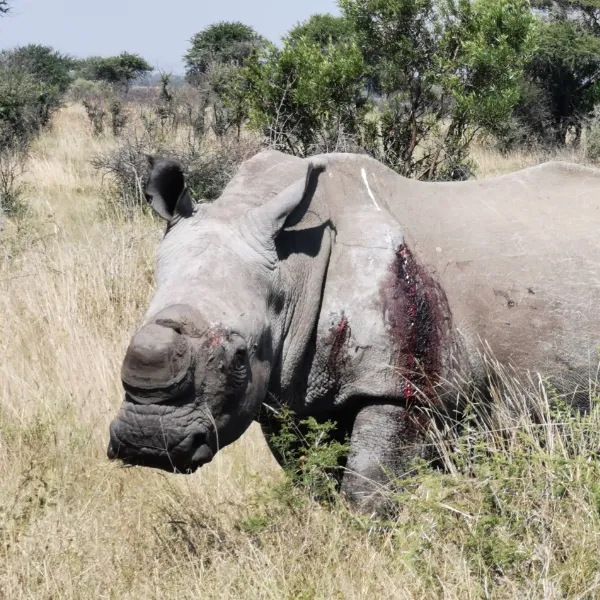



While habitat loss and human expansion play a role, the most immediate and devastating threat facing rhinos today is poaching, driven by the illegal trade in rhino horn.

Why Are Rhinos Poached?
Targeted for Their Horns
Rhinos are targeted primarily for their horns.
Rhino horn is composed of keratin — the same material as human fingernails — yet it is traded illegally for extremely high prices in black markets.
Demand, fuelled by misinformation and organised criminal networks, has created one of the most lucrative wildlife crimes in the world.
This is not opportunistic crime. It is organised, funded and persistent.
Learn About Horn Trimming & PreventionThe Scale of the Crisis
Pressure on Every Population
In the past decade, thousands of rhinos have been lost to poaching. Although conservation efforts have reduced peak poaching levels in some regions, pressure remains high.
Northern White Rhino
Functionally extinct following the death of the last male in 2018.
Black Rhino
Black rhinos remain critically endangered.
Sumatran & Javan Rhinos
Populations number only in the dozens or low hundreds.
Southern White Rhino
Still facing sustained poaching pressure.
Habitat Loss & Human Expansion
Beyond Poaching
While poaching is the most urgent threat, rhinos also face habitat fragmentation, human encroachment, agricultural expansion and infrastructure development.
As landscapes become fragmented, rhino populations become more vulnerable to both environmental stress and poaching activity.
Private Reserves
The Cost of Protection
A significant proportion of Africa’s remaining white rhinos are protected on private reserves.
Unlike national parks, private reserves often receive limited government funding and must generate their own income to sustain security, habitat management and conservation operations.
Support Frontline ConservationThe Global Response
What It Takes to Fight Back
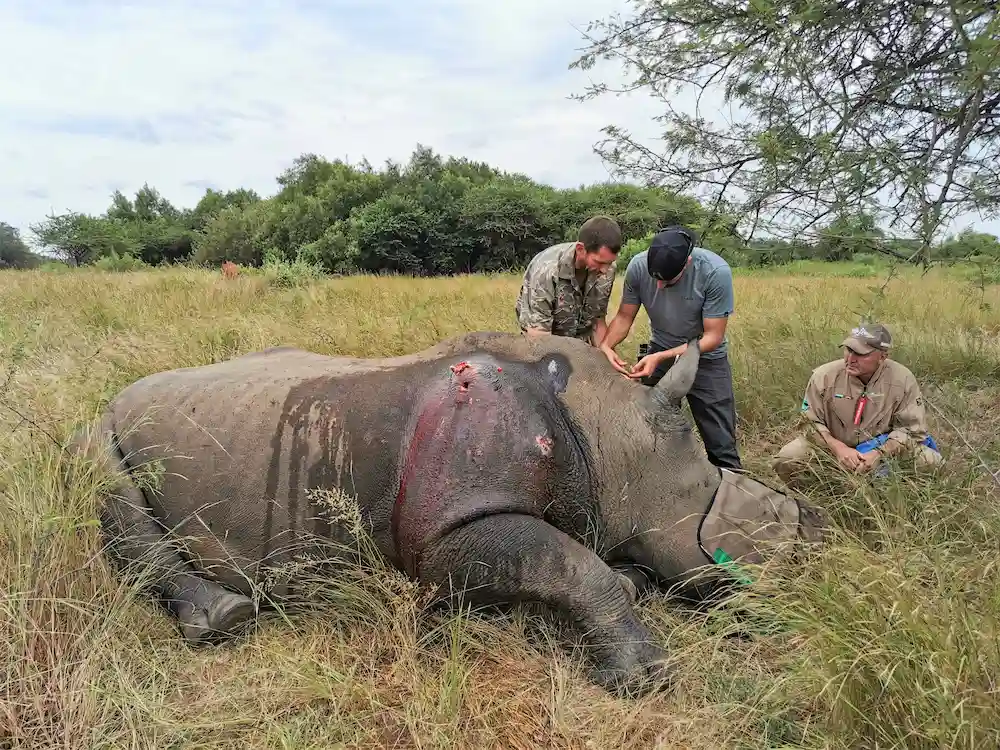
Governments, NGOs, conservationists and local communities continue to work to combat the rhino poaching crisis. While progress has been made in some regions, the threat has not disappeared.
 Anti-poaching patrols
 Intelligence and law enforcement collaboration
 International trade restrictions under CITES
 Community engagement and awareness
 Demand reduction campaigns
Why This Matters
The Crisis Is Complex.
But It Is Not Inevitable.
Rhinos are more than iconic wildlife species. They play an important ecological role in shaping and maintaining healthy ecosystems.
Their extinction would represent not only a biodiversity loss, but a failure of global conservation responsibility.
With coordinated protection, evidence-based strategies and sustained commitment, rhino populations can stabilise and recover.