




Rhino Protection & Anti-Poaching
Protecting Rhinos
on the Front Line
The illegal wildlife trade continues to place immense pressure on rhino populations across Africa.
ERC supports frontline teams with the tools, funding and expertise needed to keep rhinos safe.
Learn About the Rhino Poaching Crisis

Supporting Anti-Poaching Operations
The First Line of Defence
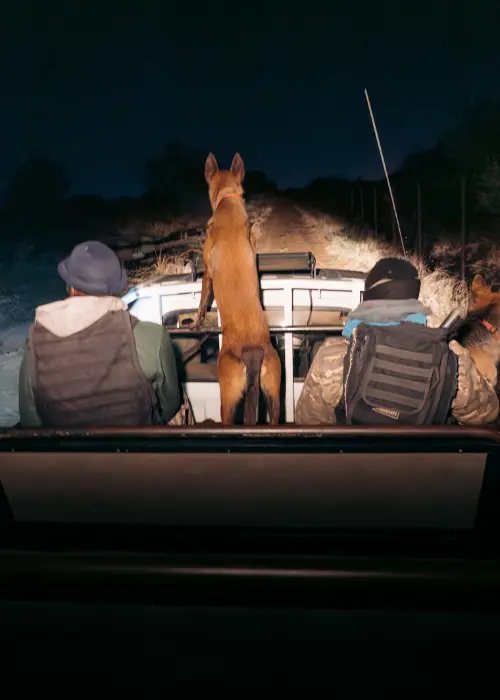
A core part of ERC’s work is supporting anti-poaching efforts that operate directly within rhino habitats.
This includes helping to sustain protection teams who patrol protected areas, monitor rhino movements and respond quickly to suspicious activity.
Anti-poaching operations require coordination between rangers, conservationists and monitoring teams who work together to detect threats early and prevent illegal activity before it occurs.
By supporting these operations, ERC helps strengthen the first line of defence protecting rhinos in vulnerable landscapes.


Monitoring and Protecting Rhino Populations
Evidence-Led Protection
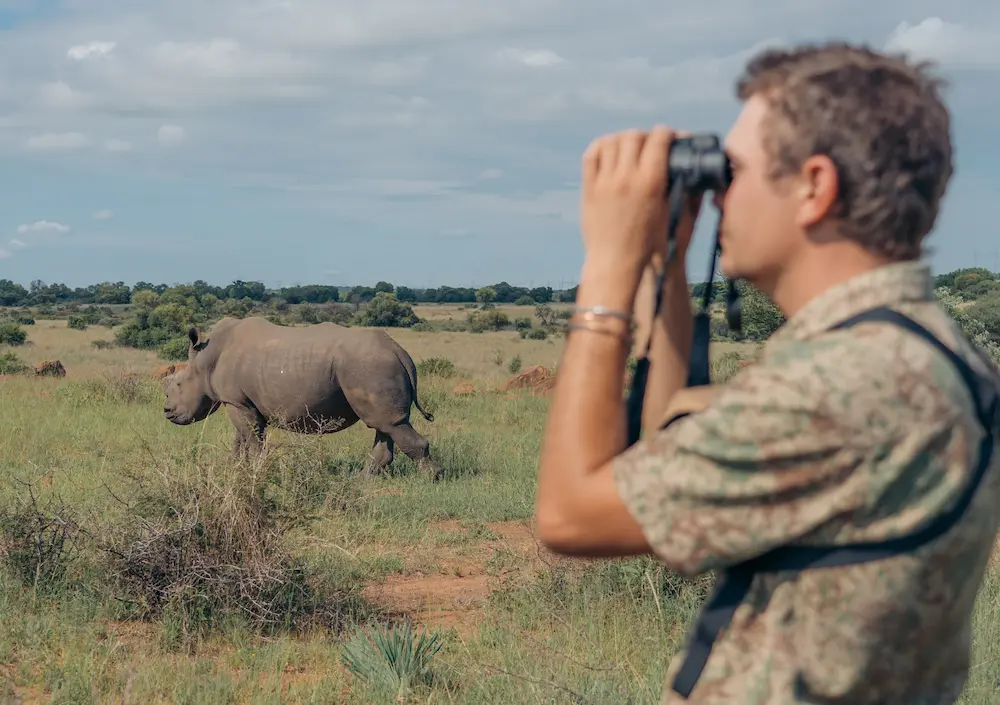
Effective protection begins with understanding where rhinos are and how they move across the landscape.
ERC supports monitoring programmes that track rhino populations, enabling conservation teams to identify risk areas and respond proactively to potential threats.
Monitoring also contributes valuable information to conservation science, helping ensure that protection strategies remain effective and evidence-based.
Explore Research and EducationStrengthening Protection Through Collaboration
Protection Works Best
When Teams Work Together
ERC collaborates with conservation partners, veterinary teams and protection specialists to strengthen anti-poaching measures and improve the safety of rhinos under threat.
 Conservation Partners
Sharing expertise and strengthening coordinated protection strategies.
 Veterinary Teams
Supporting interventions, treatment and specialist rhino care.
 Protection Specialists
Helping strategies evolve as threats and risks change.
Supporting Protection on Private Reserves
Protecting Rhinos
Beyond National Parks
Private wildlife reserves play a critical role in rhino conservation.
A significant proportion of Africa’s remaining white rhinos are protected on privately managed land. However, these reserves often receive limited government support and must fund protection measures independently.
ERC focuses on supporting frontline conservation efforts in these environments, helping ensure that rhinos remain protected outside national parks and that vital habitat continues to be safeguarded.
Discover Mankwe Wildlife ReservePreventative Protection Measures
Multiple Layers of Defence
In areas experiencing sustained poaching pressure, conservation teams may implement additional preventative strategies designed to reduce the incentive for poachers.
These measures include enhanced monitoring, coordinated protection efforts and, where necessary, horn trimming as part of a wider conservation strategy.
When combined with strong protection and monitoring, these actions help create multiple layers of defence around vulnerable rhino populations.
Learn About Horn Trimming and Dehorning


Standing With the Front Line
Protecting Rhinos Is
an Ongoing Commitment
The success of anti-poaching operations depends on sustained support, collaboration and resources that allow conservation teams to continue their work.
By supporting Endangered Rhino Conservation, individuals help ensure that those protecting rhinos on the ground can continue to defend one of the world’s most iconic species.